
Restorative Dentistry in Darien, Connecticut
Gentle restorative treatments including fillings, crowns, and procedures to repair and protect teeth.
Restoring Your Child’s Healthy Smile
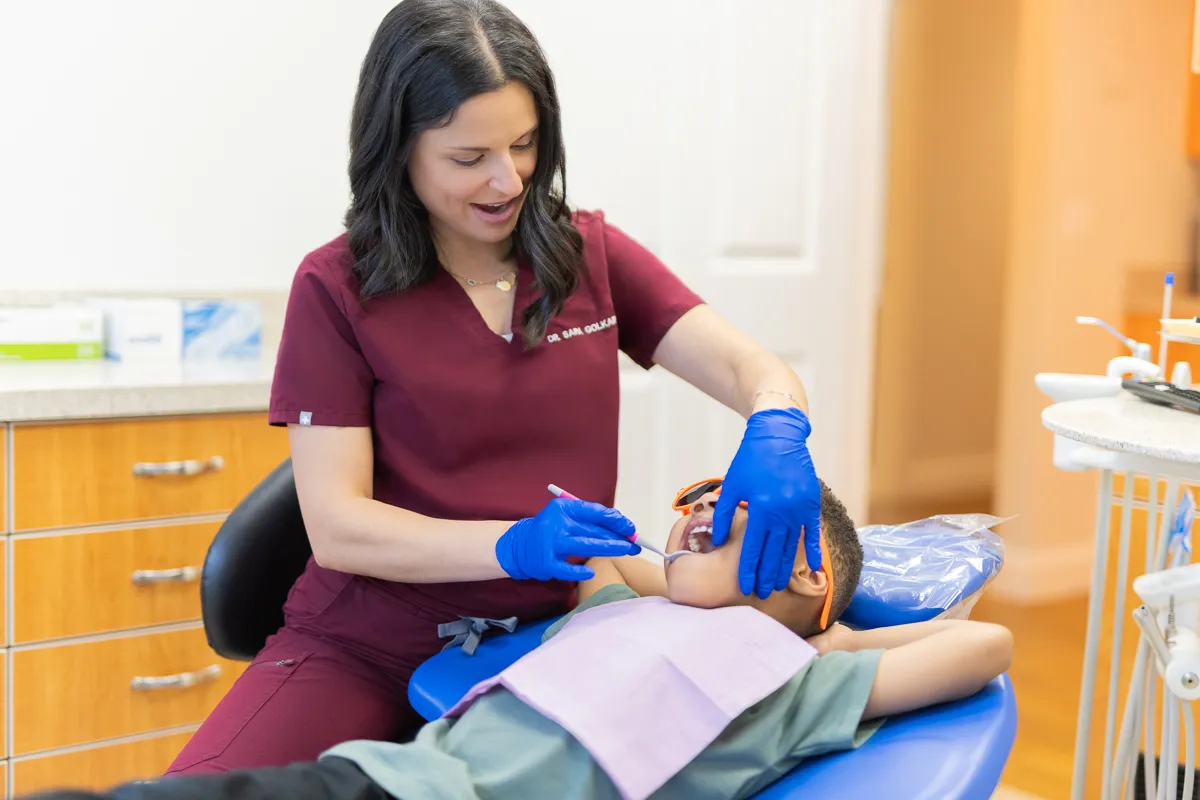
When a child develops a cavity or experiences tooth damage, prompt and gentle treatment helps preserve the tooth’s structure and prevents more serious problems. At Darien Pediatric Dentistry, Dr. Kate Kiguradze and Dr. Sara Golkari specialize in restorative care that is tailored to children — using techniques and materials designed specifically for growing smiles.
Our Darien, Connecticut practice at 106 Noroton Avenue serves families throughout Fairfield County, including New Canaan, Stamford, Norwalk, Greenwich, and Wilton.
Restorative Treatments We Offer
Tooth-Colored Fillings
When a cavity is detected, we remove the decayed portion of the tooth and restore it with a tooth-colored composite filling. These fillings blend naturally with your child’s tooth, providing a strong, durable repair that looks and feels natural.
Stainless Steel Crowns
For baby teeth with extensive decay or damage, stainless steel crowns provide full coverage and protection until the permanent tooth is ready to come in. Crowns are especially useful for molars that need to last several more years before they are naturally replaced.
Pulp Therapy
When decay reaches the inner portion of a baby tooth, pulp therapy (sometimes called a baby root canal) can save the tooth. This procedure removes the infected tissue while preserving the healthy tooth structure, allowing the tooth to remain in place and maintain proper spacing for permanent teeth.
Space Maintainers
If a baby tooth is lost prematurely due to decay or injury, a space maintainer holds the position open so the permanent tooth can come in properly. This simple appliance can prevent the need for more complex orthodontic treatment later.
Extractions
When a baby tooth cannot be saved, is causing discomfort, or needs to be removed to support healthy growth, development, or orthodontic care, our team takes every step to make the experience gentle and comfortable.
We use calm, child-friendly language, careful numbing, and a reassuring approach to help children feel safe throughout the visit. After the extraction, we provide clear healing instructions and, when needed, discuss whether a space maintainer or coordination with an orthodontist may be recommended.
Our Approach to Children’s Restorative Care
We understand that restorative procedures can feel intimidating for children and parents alike. Our team takes an unhurried, gentle approach to every treatment. We explain each step in age-appropriate language, use gentle techniques, and offer comfort options to help your child feel safe and at ease.
To keep children comfortable and distracted during procedures, every treatment room features ceiling-mounted TVs so kids can watch their favorite shows while we work. This simple touch makes a real difference for many of our young patients.
Every treatment plan is discussed thoroughly with parents before we begin. We believe informed families make the best decisions for their children’s dental health.
Schedule a Consultation
If your child has a cavity or damaged tooth, we are here to help. Call us today at 203-202-7728.
Frequently Asked Questions
Does my child really need to fix a cavity in a baby tooth?
Yes, in most cases. Untreated cavities can cause pain, infection, and damage to the developing permanent tooth underneath. Baby teeth also play important roles in speech development and maintaining space for adult teeth.
Will my child feel pain during a filling?
We use gentle numbing techniques and take time to ensure your child is comfortable before beginning any procedure. Many children are surprised at how easy the experience is.
How long do stainless steel crowns last?
Stainless steel crowns on baby teeth typically last until the tooth naturally falls out, which can be several years depending on the child’s age. They are extremely durable and low-maintenance.
What are signs my child might need restorative treatment?
Common signs include tooth sensitivity to hot or cold, visible dark spots or holes in teeth, complaints of toothache, or difficulty chewing. Regular checkups allow us to catch problems early, often before symptoms appear.